
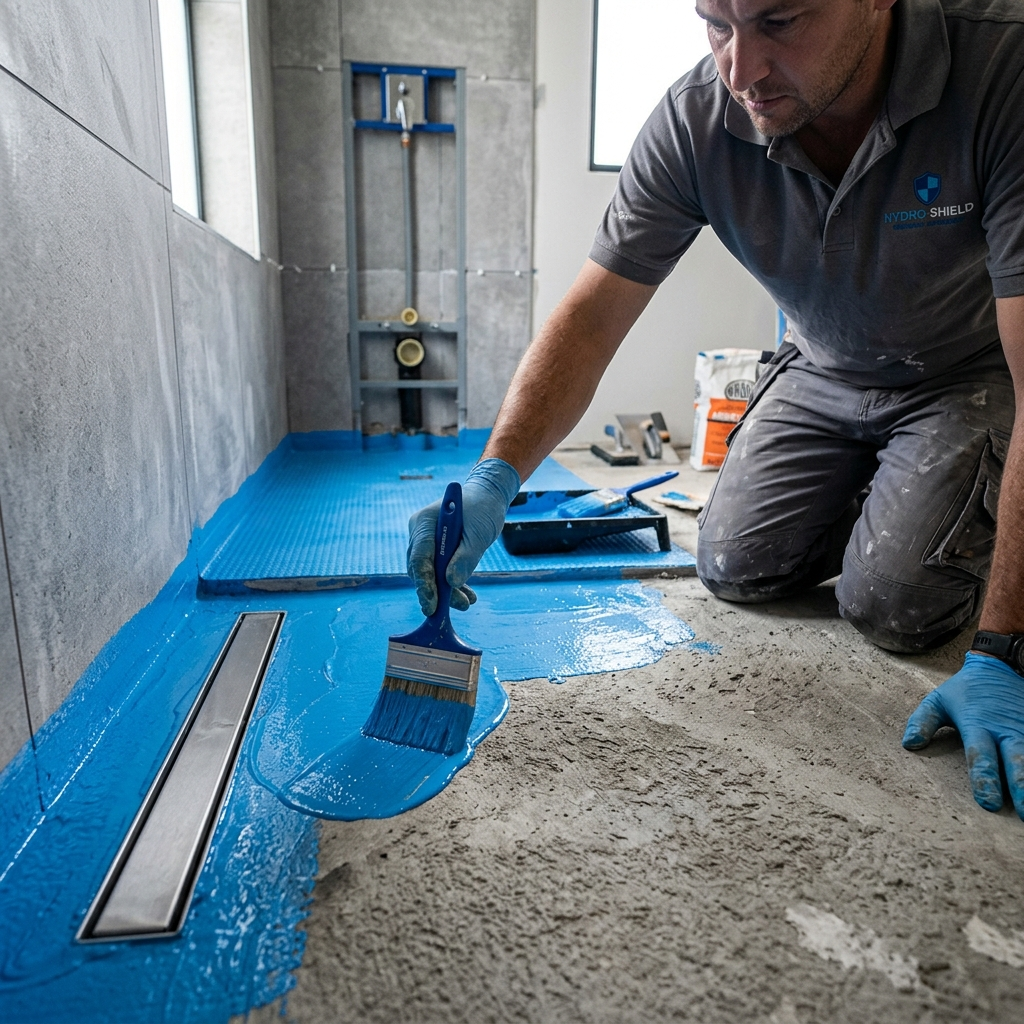
Bathrooms are the most common source of water leaks in any building. Because these areas are constantly exposed to water, a robust waterproofing system is not just an option—it is an absolute necessity. Whether you are renovating an old bathroom or building a new one, understanding the importance of waterproofing can save you from immense headaches.
The Consequences of Poor Waterproofing
When a bathroom is not properly waterproofed, water can seep through the grout lines and tiles into the substrate below. Over time, this leads to several serious problems:
- Structural Damage: Water can rot wooden joists and deteriorate concrete subfloors, compromising the structural safety of the building.
- Ceiling Leaks: If the bathroom is on an upper floor, leaks will inevitably seep down, damaging the ceiling of the room below, ruining paint, and causing plaster to crumble.
- Mold and Mildew: Trapped moisture within walls and floors encourages the rapid growth of toxic mold, which poses significant health risks.
The Waterproofing Process
Professional bathroom waterproofing involves several critical steps:
- Surface Preparation: The substrate must be clean, dry, and free of any debris or old coatings.
- Applying the Membrane: A high-quality, flexible waterproofing membrane (usually a liquid-applied polyurethane or acrylic membrane) is painted or rolled onto the floors and lower walls.
- Sealing Joints: Special attention is paid to the corners, floor-to-wall joints, and drainage areas using reinforcing tape and sealant to ensure a watertight seal.
Never compromise on bathroom waterproofing. It is a small investment during the construction or renovation phase that prevents massive repair bills in the future.